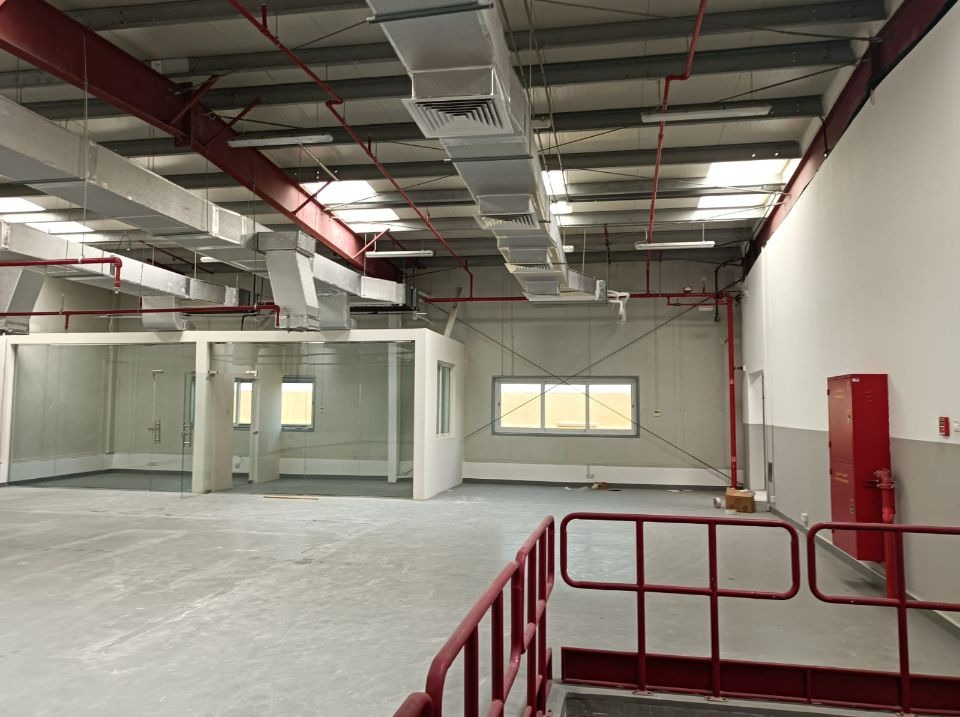
A warehouse’ price tag is deeply tied to where it sits. The right location does far more than provide an address; it directly impacts operations, costs, and long-term value. Several geographic and economic factors converge to set the final sale price.
Here are the different ways in which location impacts the price of a warehouse:
Proximity to major transport links:
Being close to highways, rail terminals, ports, and airports is a primary price driver. Easy access to major arteries slashes transportation time and costs for inbound and outbound goods. A Sharjah warehouse sale in a well-connected area ensures efficient distribution, making it a highly attractive asset that commands a premium.
Strength of the surrounding workforce:
The availability and skill level of labor in the area matter greatly. Warehouses need reliable workers for logistics, management, and operational roles. A location within a pool of qualified labor supports smoother business and reduces recruitment costs. This advantage is reflected in a higher property value.
Local economic health and demand:
A warehouse in a thriving economic region will typically be worth more. Strong industrial activity, growing businesses, and high demand for storage space push prices upward. Conversely, areas with economic decline see less demand and lower values. The local business climate sets the stage for price.
Municipal rules and costs:
Local government policies have a direct financial impact. Zoning laws determine what activities are allowed. Tax rates add to ongoing expenses. Areas with favorable zoning and reasonable tax burdens are more desirable. Strict rules or high taxes can deter buyers and suppress sale value.
Future area development plans:
What is planned for the neighborhood affects future worth. New infrastructure projects, like road expansions, can boost value. The risk of undesirable developments nearby can have the opposite effect. A warehouse in a path of positive growth is considered a safer, more valuable investment.
Inherent property features shaped by location:
The land itself is influenced by its place. Topography, utility availability, and even environmental factors are location specific. A flat site with ready connections to power, water, and drainage requires less investment to develop. These natural and infrastructural benefits add directly to the sale price.
A warehouse’s location is a powerful determinant of its sale value. From immediate access to transport to the long-term economic trends of the region, each facet interplays to create the final figure. Smart investors look beyond the building’s walls to the map coordinates, recognizing that in real estate, place is everything.