How Location Affects Warehouse Sale Value

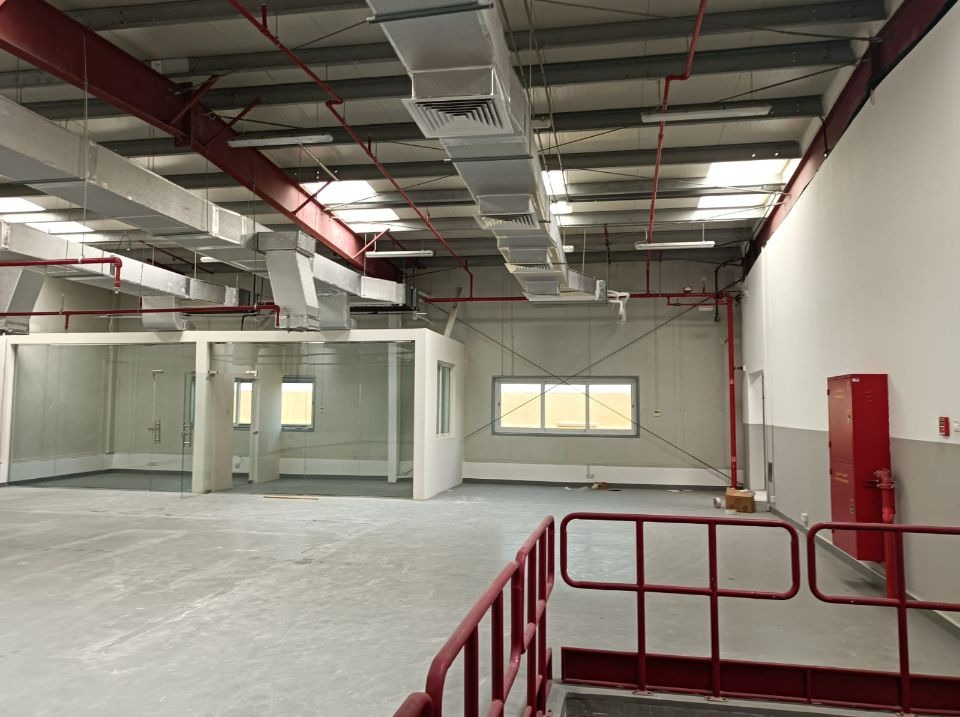
A warehouse’ price tag is deeply tied to where it sits. The right location does far more than provide an address; it directly impacts operations, costs, and long-term value. Several geographic and economic factors converge to set the final sale price.

Here are the different ways in which location impacts the price of a warehouse:

Proximity to major transport links:

Being close to highways, rail terminals, ports, and airports is a primary price driver. Easy access to major arteries slashes transportation time and costs for inbound and outbound goods. A Sharjah warehouse sale in a well-connected area ensures efficient distribution, making it a highly attractive asset that commands a premium.

Strength of the surrounding workforce:

The availability and skill level of labor in the area matter greatly. Warehouses need reliable workers for logistics, management, and operational roles. A location within a pool of qualified labor supports smoother business and reduces recruitment costs. This advantage is reflected in a higher property value.

Local economic health and demand:

A warehouse in a thriving economic region will typically be worth more. Strong industrial activity, growing businesses, and high demand for storage space push prices upward. Conversely, areas with economic decline see less demand and lower values. The local business climate sets the stage for price.

Municipal rules and costs:

Local government policies have a direct financial impact. Zoning laws determine what activities are allowed. Tax rates add to ongoing expenses. Areas with favorable zoning and reasonable tax burdens are more desirable. Strict rules or high taxes can deter buyers and suppress sale value.

Future area development plans:

What is planned for the neighborhood affects future worth. New infrastructure projects, like road expansions, can boost value. The risk of undesirable developments nearby can have the opposite effect. A warehouse in a path of positive growth is considered a safer, more valuable investment.

Inherent property features shaped by location:

The land itself is influenced by its place. Topography, utility availability, and even environmental factors are location specific. A flat site with ready connections to power, water, and drainage requires less investment to develop. These natural and infrastructural benefits add directly to the sale price.

A warehouse’s location is a powerful determinant of its sale value. From immediate access to transport to the long-term economic trends of the region, each facet interplays to create the final figure. Smart investors look beyond the building’s walls to the map coordinates, recognizing that in real estate, place is everything.


Why Men’s Designer Suits Are Worth The Investment

A great suit is a foundation of a man’s wardrobe. While other options exist, a designer suit stands apart. It offers a unique combination of quality, style, and confidence that lasts for years. The initial cost is an investment in your personal presentation, paying dividends in every professional and social setting you enter. Making the right choice in formalwear is important for long term satisfaction.

Superior fabric and construction

Men’s designer suits use high quality materials. The wool, cotton, or linen is softer, more durable, and breathes better. The way the suit is put together is also different. Stitching is stronger, and the canvas inside the jacket is often hand sewn. This allows the fabric to move with your body and hold its shape over time.

A flawless, personalized fit

The fit of a suit is everything. Designer suits are built on precise patterns. When tailored to your measurements, the jacket shoulders lie flat, the waist is clean, and the trousers break perfectly on your shoes. This sharp, intentional silhouette is hard to achieve with standard options.

Timeless style and smart design

These suits avoid fleeting trends. Designers focus on classic proportions and subtle details that remain stylish. The roll of the lapel, the placement of the buttons, and the line of the trousers are all carefully considered. You buy a suit that looks good now and will still look right in ten years.

Built to last for years

Because of the better materials and construction, a designer suit endures. The fabric resists pilling and fading. The seams are less likely to pull or tear. With proper care, it becomes a reliable piece in your closet for a long time, making its cost over time much lower than replacing cheaper suits.

An instant confidence boost

Putting on a suit that fits perfectly and looks exceptional changes how you feel. You stand taller and carry yourself with assurance. This self-confidence is noticeable to others, influencing perceptions in meetings, at events, or during important occasions.

The complete wardrobe anchor

A superb designer suit is versatile. The jacket can be worn with jeans, the trousers with a sweater. You create multiple outfits from one investment. It becomes the solid foundation upon which you build a sophisticated and adaptable wardrobe.

A designer suit is an investment in looking your best, feeling assured, and owning a garment that stands the test of time. The value it returns, in both appearance and durability, makes it a smart choice for any man.

Common Services Offered By Business Setup Consultants

Business setup consultants offer a range of services to help entrepreneurs and business owners establish their companies. These services vary depending on the specific needs and requirements of each client, but there are some common services that are typically offered by most business setup consultants.

In this article, we will discuss these common services in more detail.

Company formation guidance:

The best business setup consultant in Dubai begin by helping you choose the right legal structure for your goals. They explain the differences between options like a sole establishment, a limited liability company, or a free zone entity. They advise on which one fits your activity, ownership plans, and future growth. This first choice is very important for all the steps that follow.

Licensing and registration aid:

Getting the necessary licenses is a central part of the process. Consultants manage the application from start to finish. They prepare all necessary documents, submit them to the correct government departments, and follow up on approvals. This service covers trade licenses, professional licenses, and all special permits your business may require to operate legally.

Bank account support:

Opening a corporate bank account can be a detailed procedure. Consultants help you prepare the specific paperwork banks ask for. They often have good connections with many banks and can suggest suitable options for your new business, making this step easier and faster.

Visa processing help:

If you and your team want residency visas, consultants manage this process. They handle the applications for entry permits, status changes, medical tests, and ID card issuance. They ensure you meet all requirements and keep track of each person’s application status.

Location and office solutions:

Every business wants an official address. Consultants provide advice on office space, whether in a mainland area or a free zone. They can help you find physical office space or offer access to flexi desks and virtual office packages that meet licensing rules, which is a cost friendly solution for new companies.

Ongoing compliance advice:

Rules and regulations can change. A good consultant does not stop helping once the company is open. They offer ongoing support to keep your business in good standing. This includes renewing your license each year, filing annual accounts, and updating you on any new legal requirements.

By using these services, you clear the path for your business to start strong. A consultant acts as your guide, turning complex procedures into a clear plan.

How CS Pipe Suppliers Manage Custom Specifications

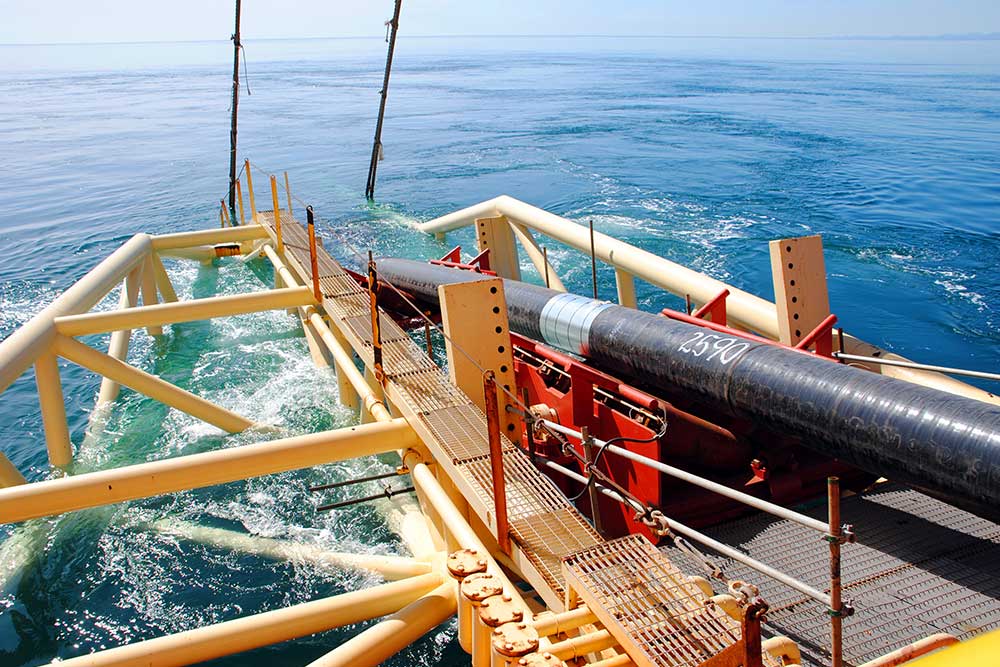
Getting exactly what you want for a project is important. For industries relying on carbon steel piping, standard options often don’t fit unique plans. This is where working with a knowledgeable supplier makes a real difference. They turn specific requirements into perfectly fabricated reality, ensuring every piece meets the project’s unique demands.

CS pipe suppliers in UAE specialize in this detailed process, therefore their demand is increasing overtime in the world. Here’s how they customize specifications:

Listening to your requirements:

It all starts with a conversation. Good suppliers begin by deeply understanding the project’s goals. They ask about pressure ratings, fluid type, temperature extremes, and environmental conditions. They review your drawings and specifications, clarifying every detail. This initial step is important to avoid assumptions and sets a clear path for what comes next.

The blueprint stage:

Once necessities are clear, the technical team takes over. They perform calculations for wall thickness, determine the best grade of carbon steel, and plan for necessary coatings or linings. This stage may involve creating new fabrication drawings or modifying existing ones. The focus is on creating a precise manufacturing blueprint that balances your performance requirements with practical production.

Material selection and sourcing:

With a plan approved, the hunt for the right raw materials begins. Suppliers tap into their network to source the specific grade, size, and quantity of carbon steel required. They verify material certifications and conduct incoming quality checks. This ensures the base pipe has the correct chemical composition and mechanical properties before any cutting or welding starts.

Precision fabrication:

This is where the custom pipe takes shape. Skilled technicians use advanced techniques like beveling, bending, and welding. They follow the custom blueprint to create spools, fittings, or entire piping assemblies. Each weld is inspected, and dimensions are constantly checked against your specifications. This hands on phase changes raw steel into a tailored component.

Final checks and delivery:

Before anything ships, it goes through a final review. This can include non-destructive testing, hydrostatic testing to check for leaks, or a simple visual and dimensional inspection. The finished product is then carefully prepared for transport, protected to prevent damage, and shipped with all necessary documentation. The result is a custom solution that fits your project perfectly, showing how expert suppliers manage specifications from start to finish.